
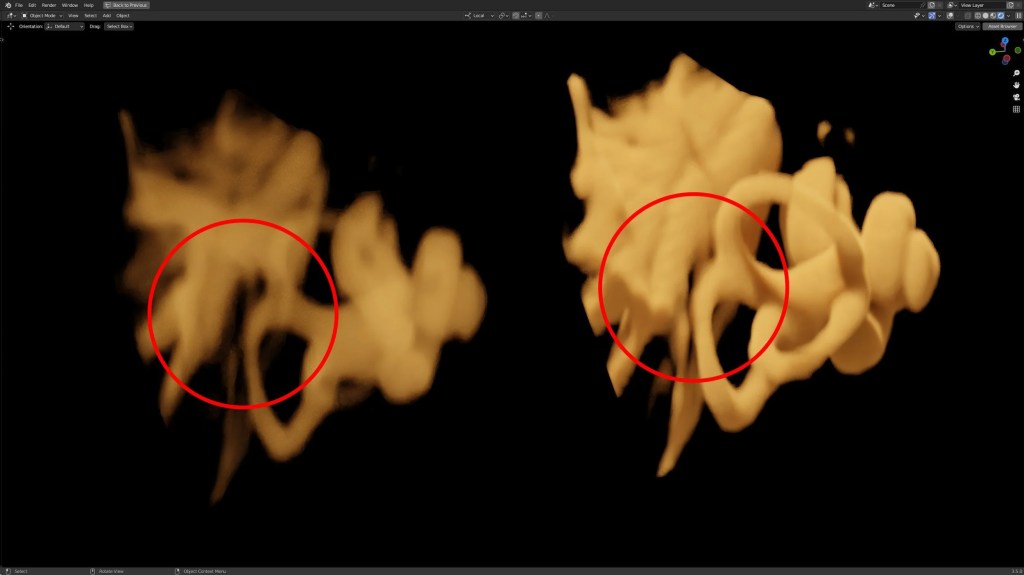
As the vestibular system is complex and involving components that can be considered both mechanical (such as the inner ear) and neural (neural processing), where every area of the anatomy had the capacity for pathology, it is possible that healthcare professionals may be unaware of the variety of symptoms, their combinations, and likewise their appropriate cause.
As a potential area of research:
- Are complex vestibular pathologies being misattributed to ‘cover-all’ diagnoses, such as Meniere’s Disease?
- If so, it is possible to identify individuals who are experiencing persistent symptoms which are not improved by traditional therapies for Meniere’s Disease?
- Is it possible for patients who have ‘fallen through the gaps’ to receive screening tests for other causes, such as semi-circular canal dehiscence?
- What is the genetic prevalence of semi-circular canal dehiscence?
- Is the broad spectrum of vestibular symptoms caused by semi-circular canal dehiscence understood (lower and upper ranges)?
- Can easy-to-miss conditions such as mild semi-circular canal dehiscence produce baseline changes which could be measurable as acute disequilibrium, or Persistent Postural-Perceptual Dizziness (PPPD)-like symptoms?
- What is the true efficacy of vestibular rehabilitation therapy, compared to continuing life as normal?
- Do patients that take longer to respond to vestibular rehabilitation therapy actually have persistent underlying vestibular issues, such as unresolved loose otoconia or dietary insufficiencies such as electrolyte deficiencies?
- Is there any way of screening the inner ear canals ‘from home’, beyond simple BPPV manoeuvres?
- What kind of technology could be employed for the screening of otoconia within the inner ear, and can it be miniaturised for home-use?
Tags: vestibular
 Curtis Holt - Studio / Lab